The Commonwealth of Dominica has unveiled a sweeping new tourism initiative aimed at positioning the Nature Isle as the Caribbean's premier eco-tourism destination. Announced at a press conference in Roseau on Wednesday, the plan outlines a roadmap to attract 500,000 visitors annually by 2028 while maintaining the island's commitment to environmental sustainability.
Minister of Tourism, International Transport and Maritime Initiatives Denise Charles presented the initiative, titled "Dominica 2028: Nature's Gateway," which includes significant infrastructure investments, new airline partnerships, and an expanded digital marketing strategy targeting European and North American markets.
A Five-Pillar Strategy
The initiative is built around five core pillars: infrastructure modernization, airlift expansion, community-based tourism, digital transformation, and environmental stewardship. Each pillar comes with specific targets and allocated budgets drawn from a combination of government funds, international development loans, and private sector partnerships.
"Dominica has always been the Caribbean's best-kept secret. This initiative is about sharing that secret with the world while ensuring that the very thing that makes us special — our pristine natural environment — is protected for generations to come."
— Minister Denise Charles
Central to the plan is the completion of the international airport at Wesley, which is expected to begin receiving commercial flights by late 2027. The airport will be capable of handling wide-body aircraft, eliminating the need for travelers to connect through neighboring islands.
Community-Based Tourism
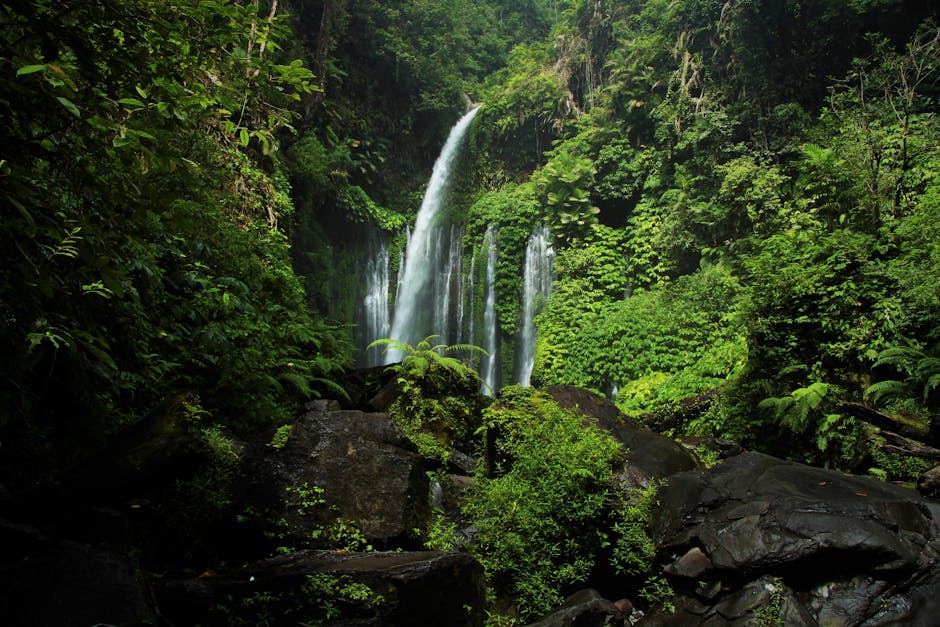
Perhaps the most innovative aspect of the initiative is its emphasis on community-based tourism. The government plans to establish a network of 15 certified "Nature Villages" across the island, each offering authentic cultural experiences, locally-guided hiking tours, and farm-to-table dining.
"We want visitors to experience the real Dominica," said Chief Tourism Planner Alicia Royer. "Not a sanitized resort version, but the warmth of our communities, the richness of our Creole culture, and the breathtaking beauty of our volcanic landscapes."
The program will provide training and micro-grants to community members interested in hosting visitors, offering guided tours, or establishing small hospitality businesses. An initial EC$5 million has been allocated for the first year of the program.
Digital Marketing Push
Recognizing the shift in how travelers discover and book destinations, the initiative includes a EC$3 million digital marketing campaign. The campaign will leverage social media influencers, virtual reality experiences of Dominica's trails and dive sites, and targeted advertising in key source markets.
A new mobile app, "Explore Dominica," will provide visitors with GPS-guided trail maps, real-time weather updates, and the ability to book experiences directly with local operators.
Environmental Safeguards
The plan also addresses concerns about the environmental impact of increased tourism. A new visitor management system will limit the number of hikers on sensitive trails like the Waitukubuli National Trail, and a mandatory "Green Levy" of EC$25 per visitor will fund conservation programs.
Environmental groups have cautiously welcomed the initiative. "The environmental safeguards are encouraging," said Dr. Arlington James, a prominent Dominican environmentalist. "But the devil is in the details. We need to ensure that the carrying capacity studies are rigorous and that the revenue from the Green Levy actually goes to conservation."
Economic Impact
The government estimates that the initiative will create approximately 3,000 direct jobs in the tourism sector and generate an additional EC$200 million in annual revenue by 2028. The multiplier effects across agriculture, transportation, and retail could double that figure.
The initiative comes at a critical time for Dominica's economy, which has shown resilience in the post-pandemic period but still faces challenges related to its small size and vulnerability to natural disasters. Tourism currently accounts for approximately 25% of GDP, a figure the government hopes to grow to 35%.
Regional tourism experts have praised the balanced approach. "Dominica is doing something rare — growing tourism without selling its soul," said Caribbean Tourism Organization analyst Jerome Walcott. "Other small island states should take note."
The first phase of the initiative is scheduled to begin in September 2026, coinciding with the start of the winter tourism season.